
Why Functional Rehabilitation is Key to Preventing Sports Injuries
Understanding Functional Rehabilitation
Functional rehabilitation is a modern approach to recovery and injury prevention that focuses on restoring the full range of motion, strength, and balance necessary for athletic performance. Unlike traditional rehabilitation methods, functional rehabilitation is tailored to mimic specific sports movements, ensuring athletes regain their skills and confidence.
This approach plays a critical role in preventing sports injuries by emphasizing the importance of full-body integration rather than isolating individual muscles or joints. The aim is to prepare the body holistically for the demands of the sport, reducing the risk of future injuries.

The Role of Functional Rehabilitation in Injury Prevention
Functional rehabilitation helps athletes identify and correct any biomechanical imbalances. These imbalances can often lead to overuse injuries, which are common in sports. By focusing on correcting posture, alignment, and movement patterns, athletes can significantly reduce their risk of injury.
Additionally, this type of rehabilitation incorporates sport-specific drills that help athletes recognize and respond to potential injury risks during gameplay. This proactive approach ensures that athletes build resilience and adaptability, key components in injury prevention.
Benefits of Functional Rehabilitation
Some of the notable benefits of functional rehabilitation include:
- Enhanced Performance: By improving movement efficiency, athletes can perform at their peak levels.
- Injury Resilience: Athletes become more resistant to common injuries due to improved strength and balance.
- Faster Recovery: Functional rehabilitation speeds up recovery by addressing the root cause of injuries.
Incorporating Functional Rehabilitation into Training
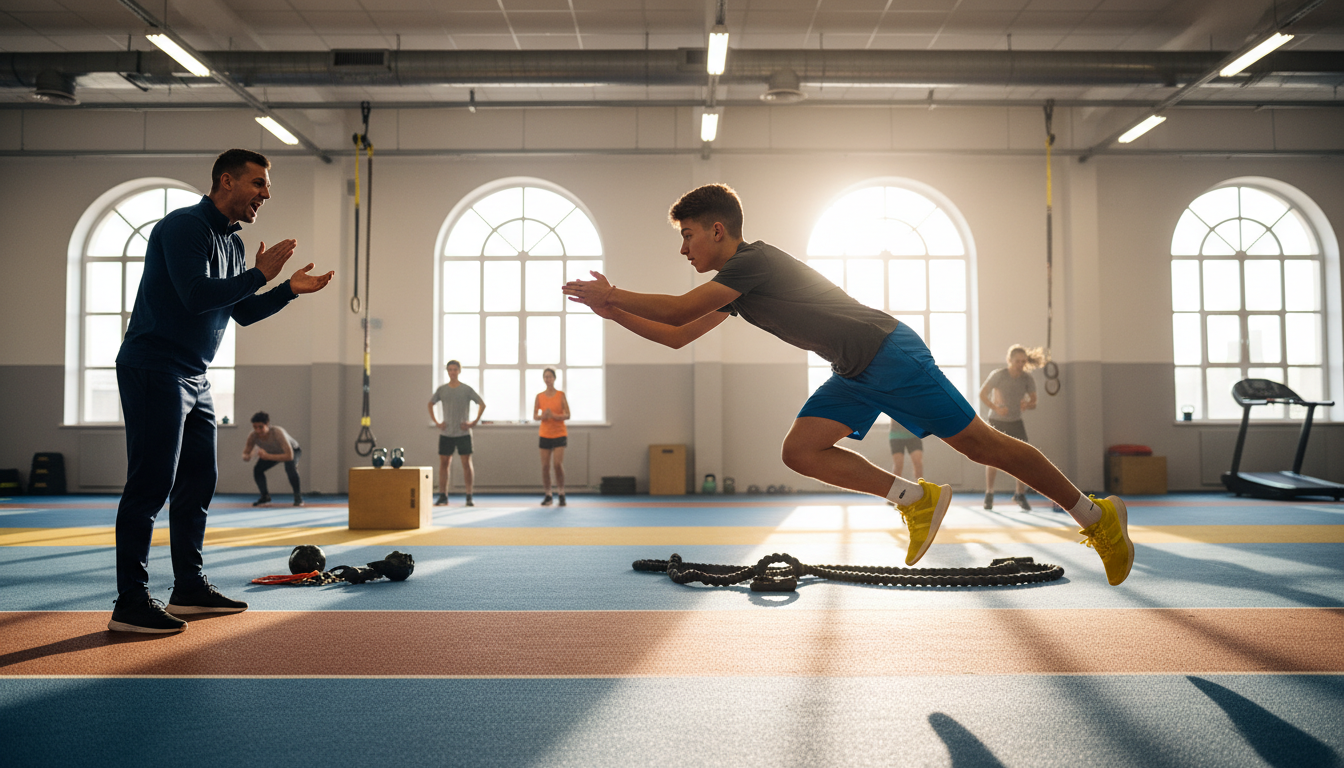
To integrate functional rehabilitation into regular training, athletes should work with skilled physiotherapists or trainers who understand their specific sport's demands. These professionals can design personalized programs that focus on the necessary strength, flexibility, and agility exercises.
It's essential for athletes to commit to these programs consistently. Regular assessment and adjustment of their rehabilitation plan can lead to optimal results and continued injury prevention.
Common Techniques Used
Functional rehabilitation employs several techniques, including:
- Dynamic Stretching: Preparing muscles and joints for active movement.
- Plyometrics: Enhancing explosive power through jumping and bounding exercises.
- Core Stability Exercises: Building a strong foundation to support all movements.
Conclusion
Functional rehabilitation is an indispensable part of modern sports training. By focusing on comprehensive recovery and injury prevention strategies, athletes can maintain peak performance and extend their careers. Embracing this holistic approach ensures athletes are not only ready for competition but are also prepared to navigate the physical demands of their sport safely and effectively.