
Understanding the Benefits of Myofascial Release for Athletes
What is Myofascial Release?
Myofascial release is a therapeutic technique focused on relieving tension and pain in the body's fascia, a network of connective tissues that surrounds muscles, bones, and organs. For athletes, maintaining optimal muscle function is crucial, making myofascial release an essential part of their recovery and performance strategy.
This technique involves applying gentle, sustained pressure to the myofascial connective tissue. By doing so, it helps to ease tightness, improve blood flow, and enhance overall flexibility.

Benefits for Athletic Performance
Athletes often experience muscle tightness and soreness due to intense training and competition. Myofascial release can significantly alleviate these issues, leading to better performance. Here are some key benefits:
- Increased Flexibility: By releasing tension, athletes can achieve a greater range of motion.
- Improved Circulation: Enhanced blood flow aids in quicker recovery and reduces muscle fatigue.
- Pain Reduction: Targeted pressure can help alleviate chronic pain and prevent injuries.
Preventing Injuries
One of the primary advantages of myofascial release for athletes is injury prevention. Tight muscles and fascia can lead to imbalances, increasing the risk of strains and sprains. Regular sessions help maintain muscle elasticity and joint mobility, reducing these risks.

Enhancing Recovery
Recovery is a crucial aspect of any athletic training regimen. Myofascial release supports the body’s natural healing processes, speeding up recovery time. This technique helps in flushing out toxins and reducing inflammation, which are common after intense workouts.
A faster recovery time means athletes can train harder and more frequently, improving their overall performance over time.
Integrating Myofascial Release into Training
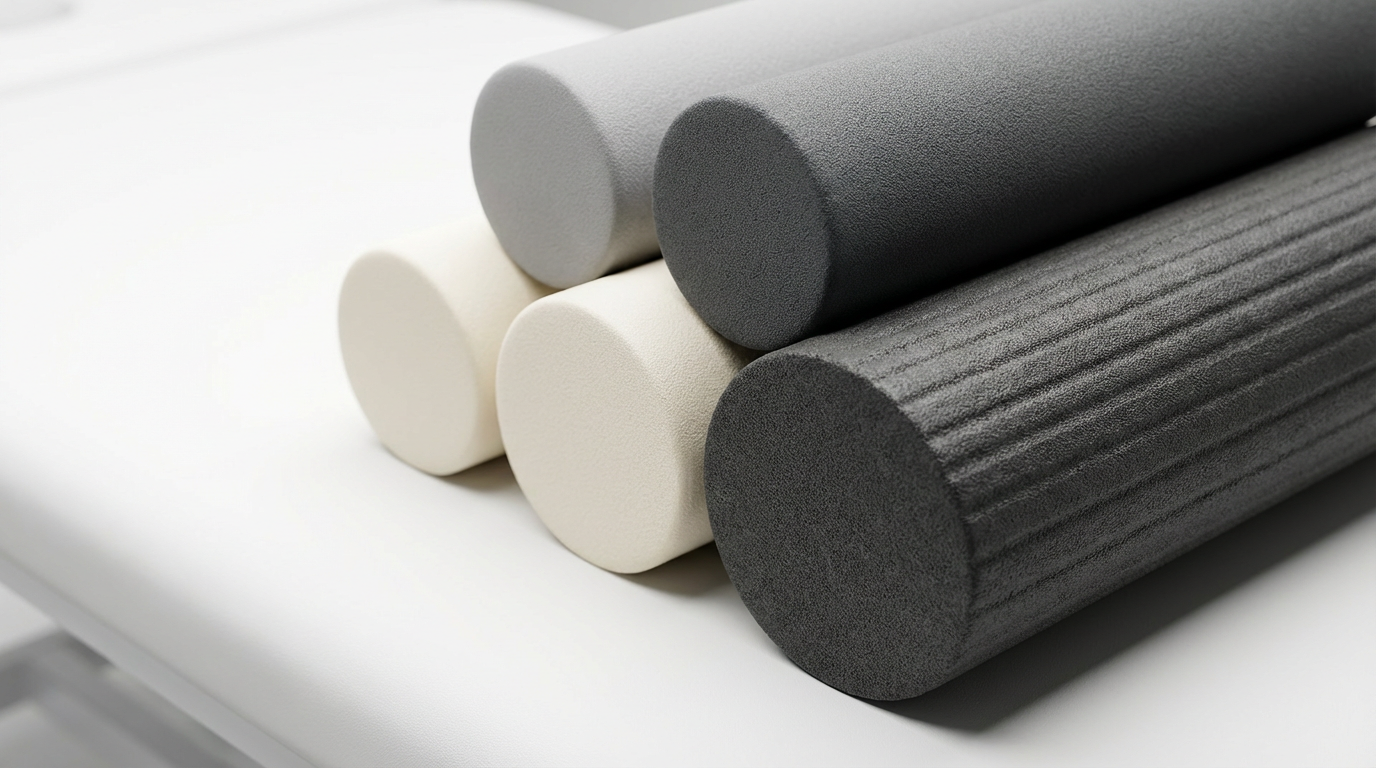
Incorporating myofascial release into regular training can be straightforward. Many athletes use foam rollers or seek out professional therapists for deeper treatment. It's essential to focus on areas that are particularly tight or prone to injury.
- Identify problem areas through self-assessment or professional advice.
- Use foam rollers or massage balls for self-treatment.
- Schedule regular sessions with a trained therapist for comprehensive care.
Conclusion
Understanding and utilizing myofascial release can provide athletes with a competitive edge, ensuring they remain at peak physical condition. By promoting flexibility, preventing injuries, and enhancing recovery, this technique is an invaluable tool for anyone serious about their athletic performance.
Whether you're a professional athlete or a fitness enthusiast, integrating myofascial release into your routine can lead to significant improvements in how you feel and perform.