
Understanding Functional Rehabilitation: What You Need to Know
Functional rehabilitation is a term that has gained traction in recent years, especially in the fields of physical therapy and sports medicine. It focuses on restoring a person's ability to perform everyday activities, rather than simply addressing symptoms. This holistic approach is beneficial for anyone recovering from injury, surgery, or chronic pain.
Unlike traditional rehabilitation, which may focus on isolated exercises, functional rehabilitation emphasizes movements and exercises that mimic real-life activities. This not only improves recovery time but also enhances overall quality of life.
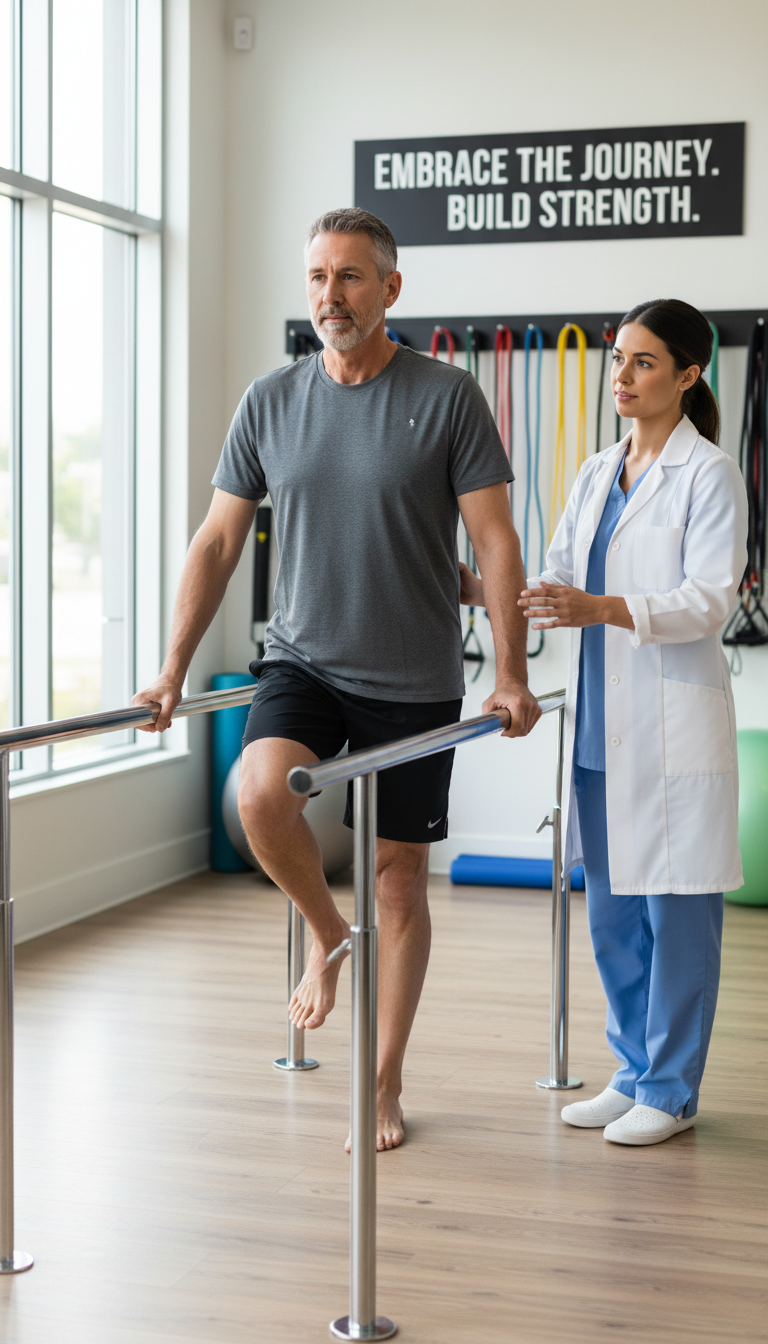
The Goals of Functional Rehabilitation
The primary goal of functional rehabilitation is to help individuals regain their independence. By focusing on movements that are part of daily life, patients can recover more effectively. This approach is particularly beneficial for athletes, elderly individuals, and those recovering from surgery.
Functional rehabilitation also aims to prevent future injuries by improving strength, balance, and coordination. This proactive approach helps individuals maintain a healthier lifestyle, reducing the risk of further complications.
Components of Functional Rehabilitation
Functional rehabilitation includes several key components:
- Strength Training: Exercises designed to improve muscle strength and endurance.
- Flexibility Exercises: Stretching routines that enhance range of motion.
- Balance and Coordination: Techniques to improve stability and movement control.
- Functional Movements: Activities that mimic daily tasks, such as lifting or walking.
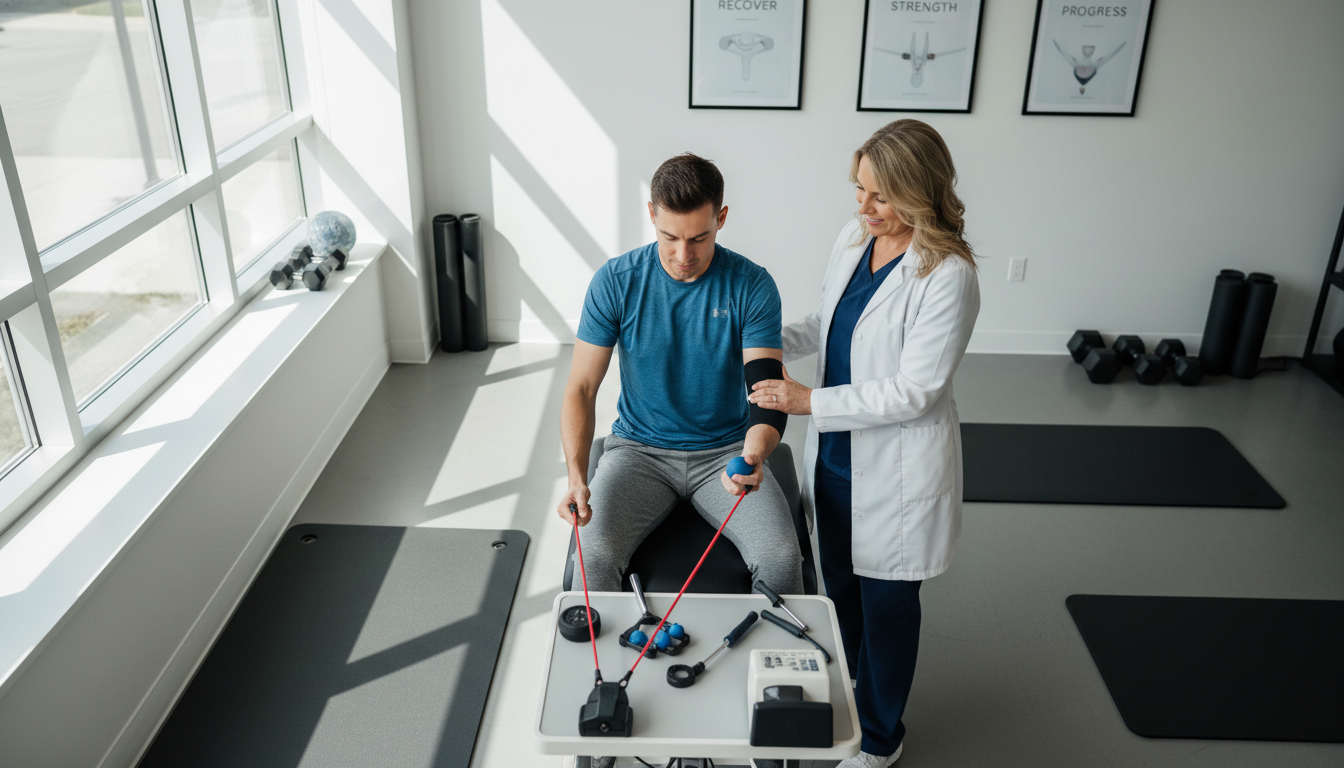
Who Can Benefit from Functional Rehabilitation?
Functional rehabilitation is suitable for a wide range of individuals. Athletes recovering from sports injuries can benefit greatly, as the exercises are tailored to their specific sport and activities. Similarly, elderly individuals can find it helpful in maintaining their independence and reducing the risk of falls.
Those recovering from surgery or managing chronic conditions like arthritis also find functional rehabilitation beneficial. By focusing on real-life movements, patients can regain strength and confidence more quickly.
Choosing the Right Program
To get the most out of functional rehabilitation, it's crucial to work with a qualified professional. Physical therapists and rehabilitation specialists can design a program tailored to your individual needs and goals. This personalized approach ensures that the exercises are both safe and effective.

In conclusion, functional rehabilitation is a powerful method for recovery and prevention. By focusing on real-life movements and activities, individuals can achieve a more complete and lasting recovery. Whether you're an athlete, recovering from surgery, or seeking to enhance your daily life, functional rehabilitation offers a path to improved health and well-being.