
Recover Faster: The Role of Functional Rehabilitation in Sports Injury Recovery
Understanding Functional Rehabilitation
Functional rehabilitation is an approach that focuses on restoring movement, strength, and flexibility to help athletes recover efficiently from injuries. Unlike traditional methods, it emphasizes real-world activities to ensure athletes return to their sports in optimal condition. By mimicking the physical demands of a sport, functional rehabilitation helps athletes regain confidence and reduce the risk of re-injury.

The Benefits of Functional Rehabilitation
Functional rehabilitation offers numerous benefits for athletes recovering from injuries. One of the primary advantages is its focus on sport-specific movements. This approach helps in regaining the necessary skills needed for the sport, ensuring a smoother transition back to competitive play.
Additionally, functional rehabilitation incorporates exercises that improve balance, coordination, and agility. These elements are crucial for athletes as they not only enhance performance but also contribute to overall injury prevention. By targeting the specific needs of each athlete, functional rehabilitation fosters a holistic recovery process.
Key Components of Functional Rehabilitation
Functional rehabilitation programs typically include a combination of strength training, flexibility exercises, and cardiovascular conditioning. These components are tailored to meet the unique demands of each sport and the individual athlete's needs.
- Strength Training: Focuses on building muscle power and endurance.
- Flexibility Exercises: Aims to enhance range of motion and prevent stiffness.
- Cardiovascular Conditioning: Improves overall fitness and stamina.

The Role of Technology in Functional Rehabilitation
Modern technology plays a crucial role in enhancing functional rehabilitation programs. Tools such as motion capture systems, wearable devices, and virtual reality platforms provide detailed insights into an athlete’s progress. These technologies allow for precise monitoring and adjustments, ensuring that rehabilitation is both effective and efficient.
By leveraging technology, therapists can create customized rehab plans that address specific weaknesses and track improvements over time. This personalized approach significantly boosts recovery outcomes, helping athletes return to their peak performance levels quicker.
Implementing Functional Rehabilitation
Integrating functional rehabilitation into an athlete’s recovery plan requires collaboration between healthcare professionals, coaches, and the athletes themselves. It’s essential to develop a comprehensive strategy that addresses the physical, mental, and emotional aspects of recovery.
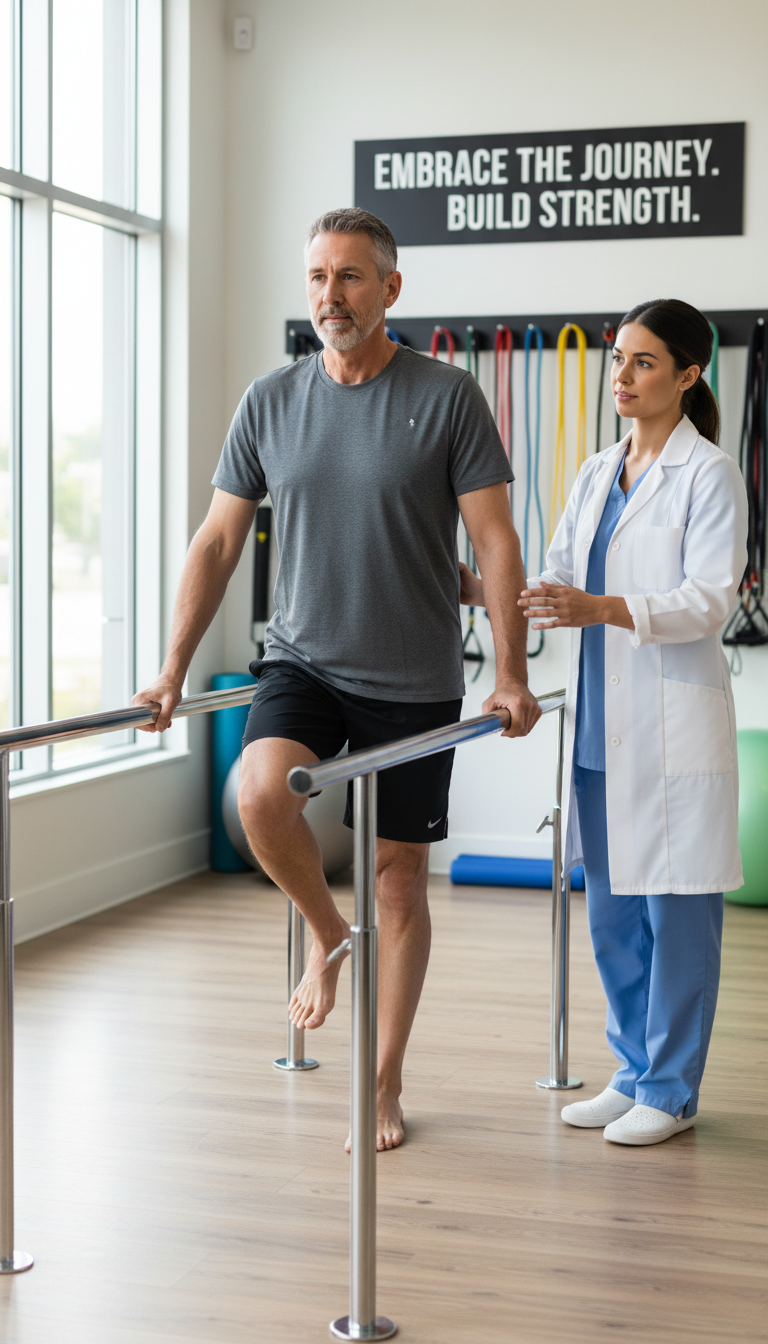
Regular assessments and feedback are vital components of successful functional rehabilitation. They ensure that the program remains aligned with the athlete’s recovery goals and adapts to their evolving needs. By maintaining open communication, all parties involved can contribute to a more efficient and effective rehabilitation process.
Conclusion
Recovering from a sports injury can be a challenging journey, but with the right approach, athletes can return stronger and more resilient. Functional rehabilitation offers a dynamic and tailored method to facilitate faster recovery, focusing on real-world skills and sport-specific movements. By incorporating this approach, athletes not only recover quickly but also enhance their overall performance, setting the stage for future successes.